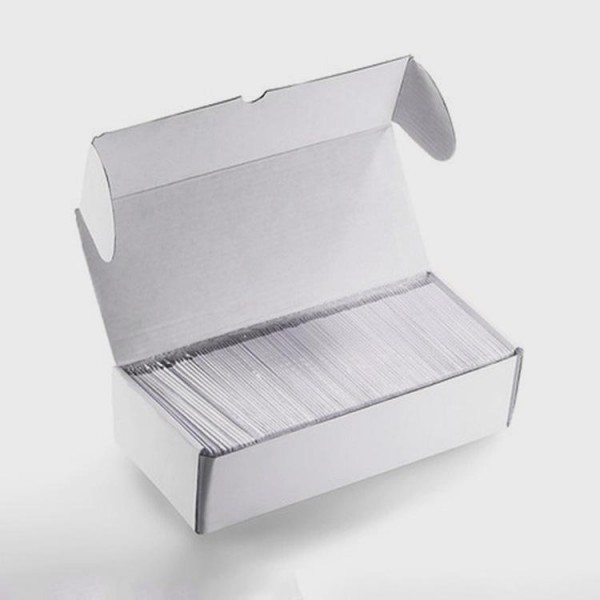
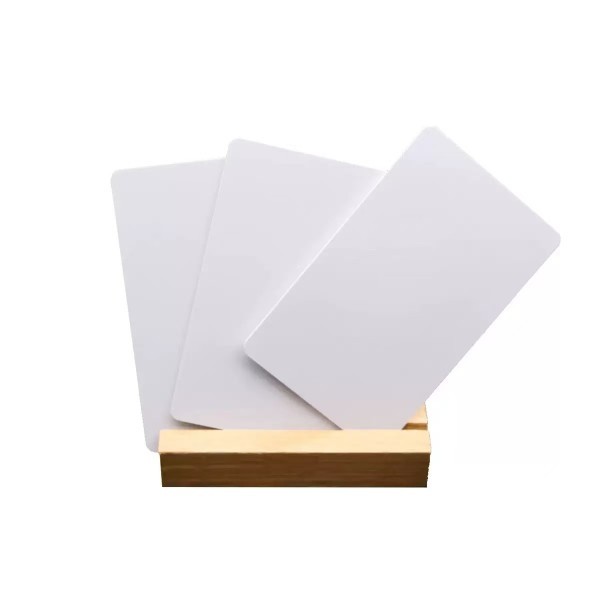
Material: PVC, PET, PETG, Paper, Wooden, etc
Protocol: 125KHz,13.56MHz, 860-960MHz, Dual interface,etc
Chip: F08, F50, T5577, etc, and custom
Printing:Offset Printing ,Silk screen Printing,Digital Printing, etc.
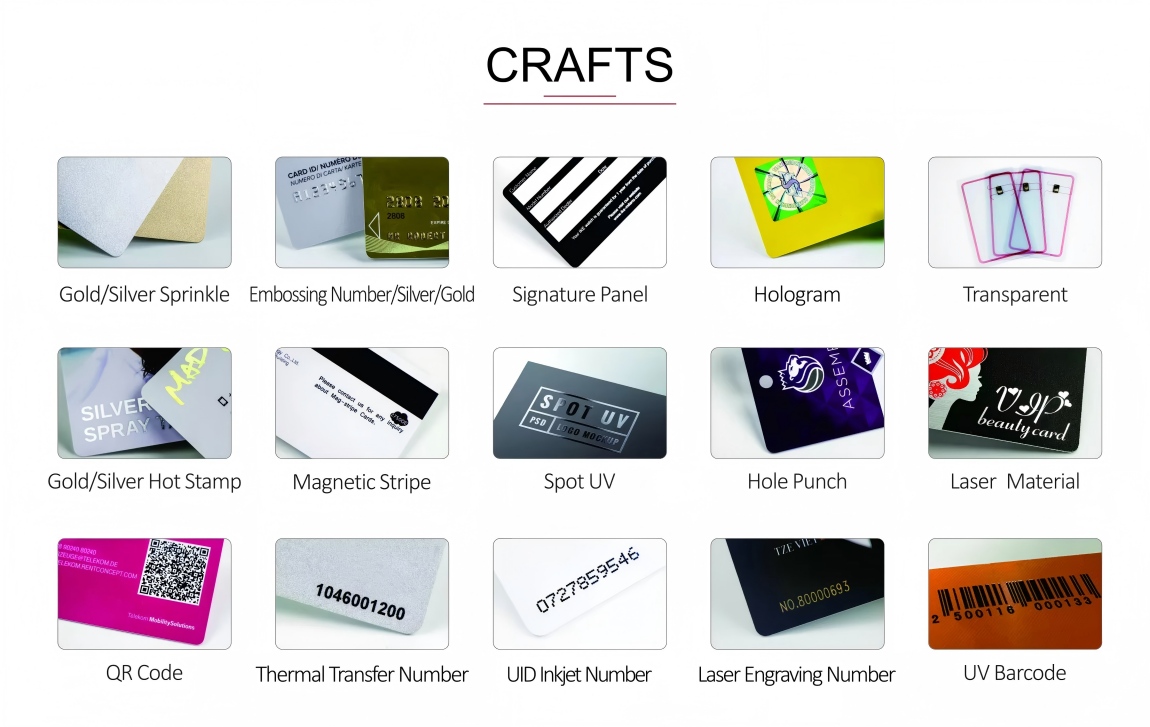
Numbering:Embossed Numbering,Laser Numbering,Inkjet numbering, Thermal Numbering,Dod Numbering,etc
Craft:Magnetic stripe,Signature panel,Metallic,Qr code ,Barcode, Silver/Gold background,etc
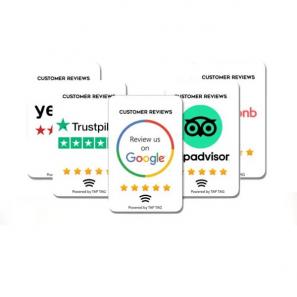
Application:Transportation,Access control,Hotel keycard ,membership card,etc

NFC RFID Card: Introduction & Key Advantages
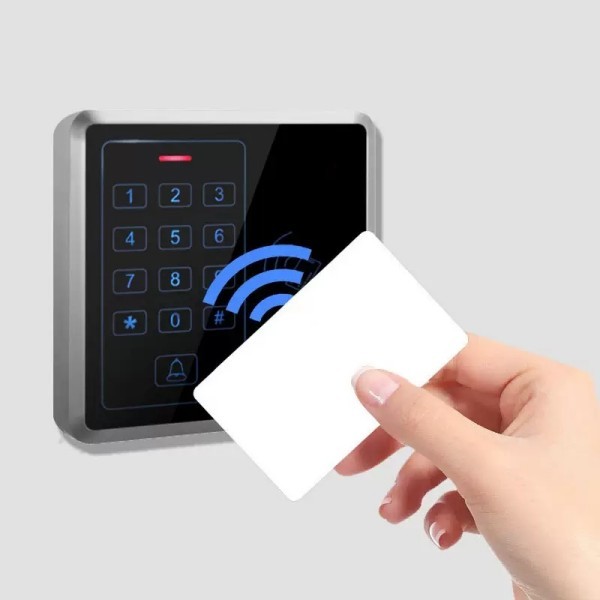
Introduction:An RFID (Radio-Frequency Identification) card is a contactless smart card that uses electromagnetic fields to automatically identify and track data stored on an embedded microchip. Unlike traditional magnetic stripe or barcode cards, RFID cards enable fast, secure, and efficient data transmission without physical contact or line-of-sight scanning. Widely used in access control, payment systems, public transportation, inventory management, and loyalty programs, RFID technology offers unparalleled convenience and operational efficiency.
Key Selling Points & Advantages:
Contactless Operation:
Benefit: Users simply tap or wave the card near a reader (typically within 5-10 cm).
Advantage: Faster transactions, reduced wear and tear, improved user experience in high-traffic areas (e.g., turnstiles, checkouts).
Enhanced Security:
Benefit: Supports advanced encryption protocols and unique identifiers (UIDs). Data is extremely difficult to clone or skim compared to magnetic stripes.
Advantage: Protects against fraud and unauthorized access. Ideal for sensitive applications like secure facility entry, electronic payments, and personal identification.
High Durability & Reliability:
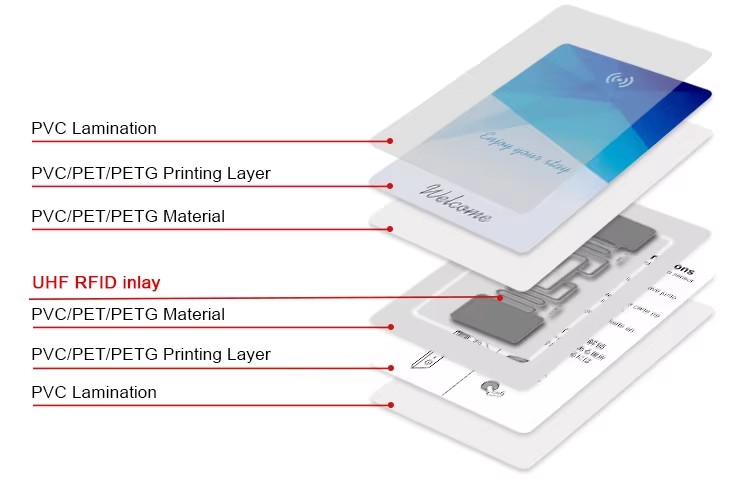
Benefit: Encapsulated chip and antenna are protected within the card body (usually PVC, PET, or ABS). Resistant to dust, moisture, scratches, and general physical wear.
Advantage: Longer lifespan, lower replacement costs, reliable performance in harsh environments (industrial, outdoor).
Fast Data Transfer & Processing:
Benefit: Near-instantaneous read/write capability. Multiple cards can be read simultaneously in some configurations.
Advantage: Drastically reduces waiting times, improves throughput in access control or payment systems, and enhances efficiency in inventory management.
Versatile Data Capacity & Functionality:
Benefit: Can store significantly more data than magnetic stripes (from kilobytes on basic cards to megabytes on advanced ones). Data can be read, written, rewritten, and locked.
Advantage: Supports multiple applications on a single card (e.g., access + payment + ID). Flexible for complex systems and future upgrades.
High Read Range & Penetration:
Benefit: Signals can read through non-metallic materials like plastic, fabric, paper, and even briefly through liquids.
Advantage: Cards can be used while inside wallets, badges, or pockets. Enables applications like vehicle identification (windshield mounting) and automated logistics tracking (within boxes/pallets).
Global Standardization & Interoperability:
Benefit: Adheres to international standards (e.g., ISO/IEC 14443 A/B, ISO/IEC 15693, ISO/IEC 18000-3).
Advantage: Ensures compatibility with a vast range of existing readers and systems worldwide, simplifying integration.
Cost-Effective Solution:
Benefit: While the unit cost is higher than basic magstripes, the long lifespan, reduced maintenance, and operational efficiencies lead to significant TCO (Total Cost of Ownership) savings.
Advantage: Delivers strong ROI through improved security, speed, and reliability.
Common Applications:
Physical Access Control (Offices, Hotels, Gated Communities)
Cashless Payment Systems (Transit, Retail, Vending)
Public Transportation (Buses, Trains, Subways)
Asset & Inventory Tracking
Library Systems
Event Management & Ticketing
Employee Identification & Time Attendance
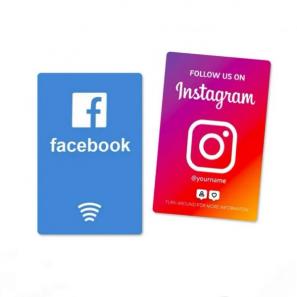
Loyalty & Membership Programs
Technical Specifications (Typical):
Frequency: 13.56 MHz (HF - High Frequency, most common for cards)
Standards: ISO/IEC 14443 A (MIFARE) / B, ISO/IEC 15693 (ICODE)
Read Range: Up to 10 cm (depending on reader power and antenna)
Memory: Varies (e.g., 1KB, 4KB common; up to 144KB available)
Data Retention: 10+ years
Write Endurance: 100,000+ cycles
Contact: Emma
Phone: +8613657221173
E-mail: info@rfxsmart.com
Whatsapp:+8613657221173
Add: Room 1009, Unit 3, Fenghui Plaza, Nancheng District, Dongguan City, Guangdong Province, China